
Why ISO Standards Matter in Sheet Metal Fabrication: How They Impact Quality, Precision, and Delivery
Let’s be honest: nobody wants to unpack a fresh shipment of custom metal parts only to realize they don’t actually fit together. In manufacturing, good looks only get you so far. What really matters is performance—getting components that work exactly the way they were designed to, every single time. Whether you need precise laser-cut pieces, complex custom weldments, or a massive production run, consistency is everything.
That is where ISO standards enter the picture.
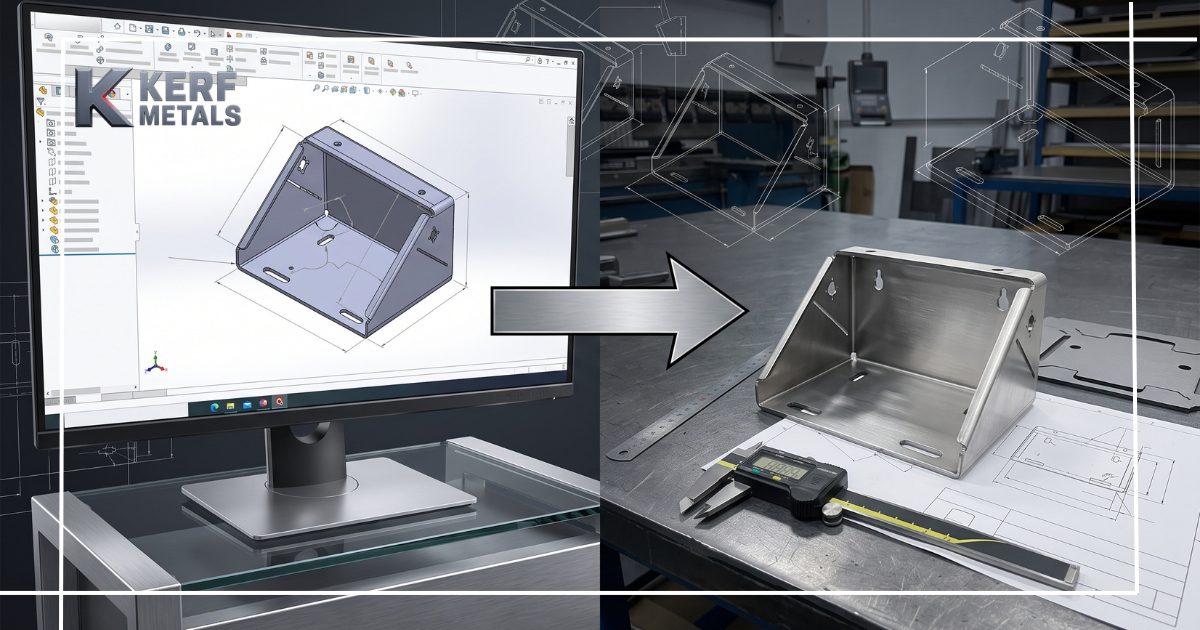
You have probably seen those ISO badges displayed on manufacturing websites, but what do they actually mean for your project? Far from being just paper badges to show off, these international frameworks shape every single step of the fabrication process. They guide your project from the very first CAD file upload all the way to the delivery truck.
If you are looking for a manufacturing partner you can actually rely on, understanding these standards is incredibly useful. It takes the guesswork out of choosing a supplier, helps you manage project risks, and explains why some shops consistently deliver better parts, on time, without the usual headaches.
Here is a look at the specific ISO standards that matter most in the sheet metal world, and why they should matter to you.

What are ISO Standards, and Why Should You Care?
At its core, the International Organization for Standardization (ISO) creates a universal playbook. They establish clear, globally recognized processes so that engineers, machinists, suppliers, and clients are always speaking the same language.
Instead of leaving crucial production decisions up to a operator’s personal interpretation on any given day, these standards establish tried-and-true methods. This keeps quality steady, minimizes miscommunications, and pushes shops to keep refining how they work.
For custom sheet metal fabrication, this means every phase—reviewing blueprints, programming the lasers, bending, welding, inspecting, and shipping—follows a structured path.
For you, the client, this translates to clear-cut benefits:
True consistency: Your tenth batch of parts will look and fit exactly like the first.
Fewer surprises: Highly accurate dimensions mean far fewer assembly headaches on your end.
Flipped schedules: Predictable lead times you can actually plan your business around.
Total transparency: Clearer, faster communication throughout the life of your project.
At Kerf Metals, we build these very principles into our daily shop floor routine, helping you transition smoothly from design to delivery.

ISO 9001: Building Quality into Every Step (Not Just the Final Check)
If you have heard of only one manufacturing certification, it is likely ISO 9001. It is the gold standard for quality management. But here is the secret: it is not about inspecting parts after they are finished to catch mistakes. It is about building a system where those mistakes do not happen in the first place.
Instead of hoping a final inspector spots a flaw before a shipment leaves the dock, an ISO 9001 certified workflow relies on preventative design, continuous training, and standardised setups.
In our shop, this process starts long before the machines turn on.
Our engineering team looks closely at your CAD files to catch potential manufacturing issues early. We verify material specs and look for design tweaks that could save you money or simplify the build. Once production begins, standardized controls keep things consistent across the laser cutters, CNC press brakes, rollers, and welding bays. Finally, structured quality checks verify the work before it is packed.
For you, this systematic approach saves time, cuts down on expensive scrap, and ensures that repeat orders are truly identical. It is about creating a culture where quality is baked into the daily routine.

ISO 2768: Why Smart Tolerances Save Your Budget
There is a common misconception in product design: assuming that tighter tolerances always mean a better product. In reality, demanding extreme precision where it isn’t needed is one of the fastest ways to blow your budget and delay your project.
This is why ISO 2768 is so valuable.
This standard sets logical, general tolerances for dimensions that do not require ultra-tight limits. Instead of obsessing over every single edge on a drawing, engineers can apply sensible, standardized accuracy to non-critical areas.
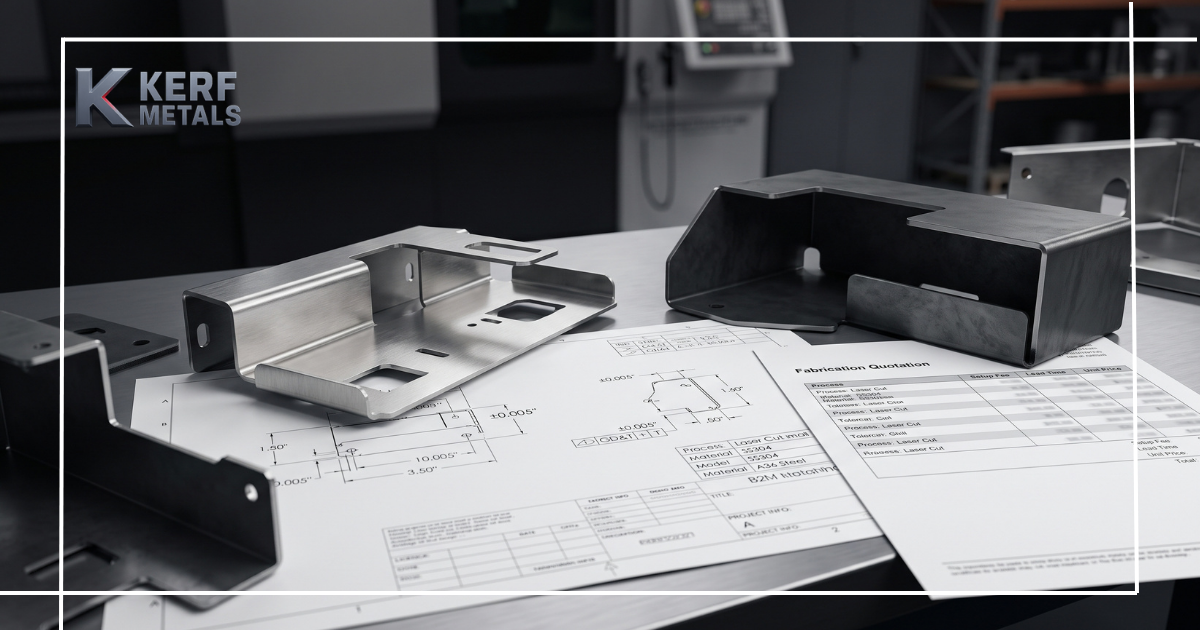
Think of a laser-cut mounting bracket. The bolt hole locations need to be incredibly precise so the bracket lines up perfectly with its mounting frame. But does the outer radius of the bracket’s corners need that same level of sub-millimeter perfection? Probably not.
If you treat every edge like a critical dimension, you end up paying for extra machining time, tedious inspections, and higher scrap rates—all without actually improving how the part functions. By using general tolerances where appropriate, we can simplify drawings, speed up lead times, and lower your overall costs while still delivering a part that does its job perfectly.

ISO 1101: The Universal Language of Geometric Tolerances
A great blueprint does more than just show how wide or tall a part is.
ISO 1101 lays out the international system for Geometrical Dimensioning and Tolerancing (GD&T). This allows designers to explain exactly how a part needs to function, rather than just defining its basic size.
Instead of only listing lengths or diameters, GD&T controls geometric relationships like flatness, parallelism, hole positions, and perpendicularity.
These standardized symbols remove the guesswork between the design desk and the fabrication shop. This is incredibly important when you are building complex metal assemblies where multiple parts have to fit together snugly. For instance, a hole might be the exact diameter you asked for, but if it is tilted by a fraction of a degree, the mating bolt will never go through. By defining these geometric relationships clearly, ISO 1101 helps us make sure your parts assemble correctly on the very first try.

ISO 45001: Safe Shops Make Better Parts
At first glance, a safety standard like ISO 45001 might seem like an internal matter. What does workshop safety have to do with your delivery dates or part quality?
Actually, quite a lot.
A safe fabrication shop is naturally an organized, efficient, and highly predictable environment. When safety risks are actively managed, you see far fewer surprise disruptions, lower staff turnover, and smoother daily workflows.
For you, this means a much more dependable supplier. Shops that prioritize safety are far better equipped to hit their deadlines, maintain steady production speeds, and keep quality high because their teams are not working in chaotic or hazardous conditions. In the industrial world, ISO 45001 is a clear sign of operational maturity.

How These Standards Shape a Project at Kerf Metals
The real test of any ISO standard is not how nice the certificate looks on the office wall—it is how your project moves across the shop floor. Here is how we put these principles to work:
Design & Engineering Review: We evaluate your CAD files early to spot manufacturing bottlenecks and suggest cost-saving improvements before we cut any metal.
Precision Laser Cutting: Clean edges and tight tolerances start with smart programming and modern cutting technology.
CNC Bending & Rolling: Consistent machine setups ensure that every bend angle and radius is perfectly repeatable.
Welding & Assembly: Clear, standardized fabrication procedures mean clean welds and structural integrity you can trust.
Quality Verification: We check critical dimensions against your specs before anything is loaded onto a pallet.
Dependable Delivery: Organized scheduling means your parts arrive exactly when you expect them.
By keeping our process predictable, we can offer you shorter lead times, reliable quality, and peace of mind.

Finding the Right Partner for Your Next Project
While ISO certifications are a great indicator of a professional shop, they are only part of the equation. You also want a partner who brings practical engineering know-how, modern machinery, and a genuine commitment to helping your business succeed.
When you are weighing your options, look for a supplier that offers:
Hands-on engineering support during your design phase.
Advanced laser cutting, CNC forming, rolling, and welding under one roof.
Transparent, thorough inspection steps.
Straightforward, honest communication.
The flexibility to handle both quick prototypes and production runs.
At Kerf Metals, we combine precise manufacturing standards with a highly collaborative approach. Whether you need a single prototype or high-volume custom fabrications, our goal is to deliver parts that meet your exact specifications, on schedule and within budget.
Ready to get your next project moving? Contact the team at Kerf Metals today to chat through your design requirements and grab a custom quote.